2013 Colusa, California, USA
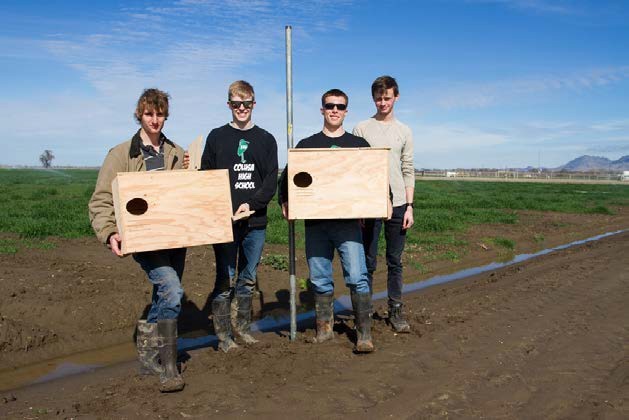
After looking into environmental issues in their rural community, Ruby Dunham and Kyle Cervantes were concerned about the use of rodenticide to control rodent populations on farms. Because rodenticide takes a while to process through the system, rodents are slowly affected and are easy targets for predators, usually raptors. Thus rodenticide can cause secondary poisoning of raptor populations, a current threat to their survival.
Dunham and Cervantes wrote a proposal to build and install barn owl boxes on a local farm to both provide habitat and natural control of rodents. This would reduce or eliminate the need for rodenticide, decreasing the introduction of these chemicals into out watersheds and the birds and wildlife that inhabit them– a win-win situation for farmers and the environment.
Students worked with the school’s shop teacher and a local cabinet maker to build the boxes. Funding was provided by the local Morning Star Cannery, who helped to install the boxes at a grower’s ranch. Students built a total of 22 owl boxes for use at local farms and ranches. Barn owls, very efficient hunters (a family can consume over 3000 mice a year), have already begun to inhabit the boxes. This type of integrated pest management can serve as a model for other farms in the area.
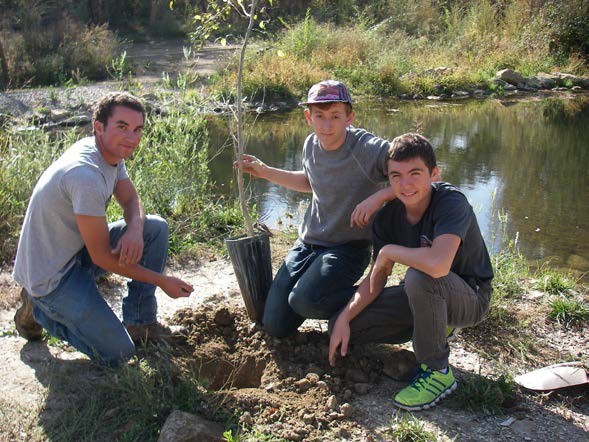
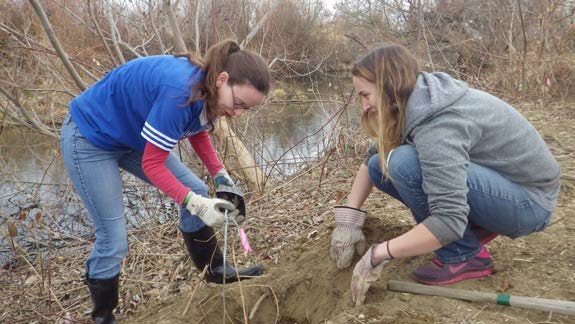
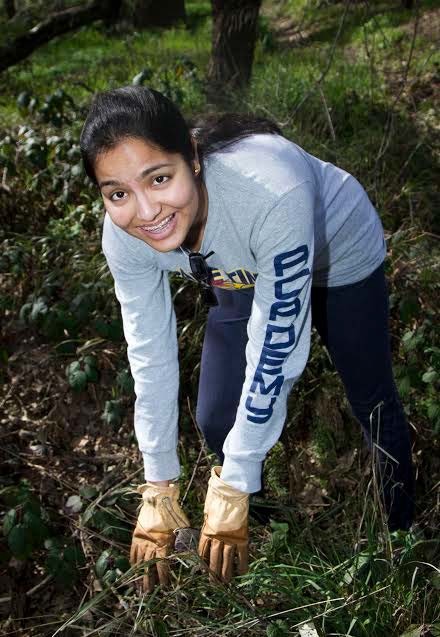
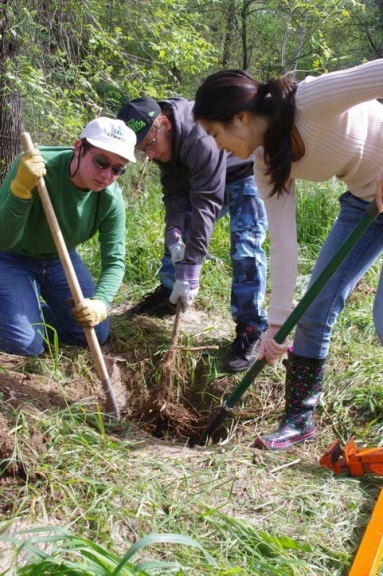

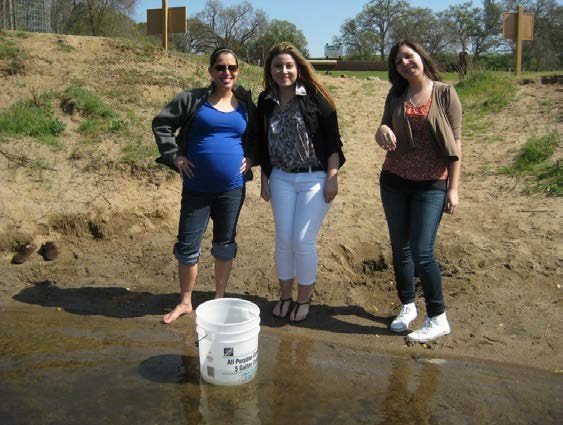

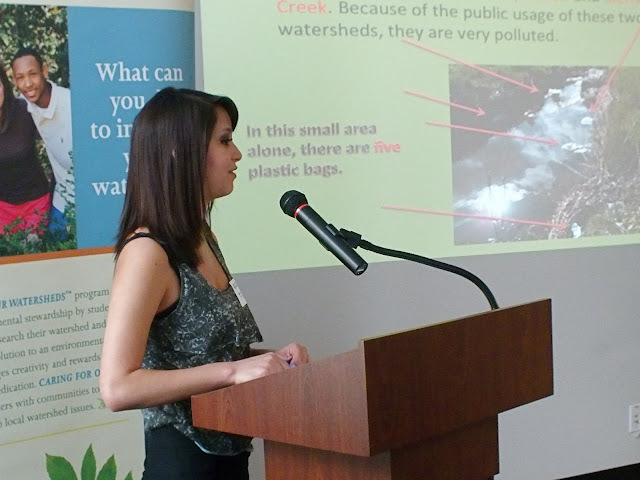
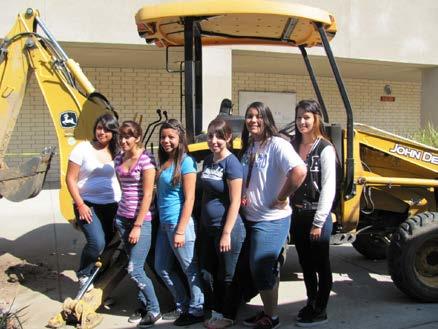 ESL Learners, gave a solid presentation at the 2012 Caring for Our Watersheds (CFW) final competition, they took second place and decided to implement their project with available CFW funds and additional club fundraisershe CFW finalists, as well as other members of their Watershed Team, planted in two phases. Fortunately, the school donated maintenance staff time to clear the planters of old tree stumps and fix existing irrigation, as this required some machinery. The students then refilled the planters with soil and planted a variety of California native forbs and shrubs. In addition to drawing attention to the newly refurbished planters, the students also drew more attention and interest to their afterschool Watershed Team, which has since tripled in size. These students will not only continue to care for the planter boxes, but will also continue to pursue other watershed stewardship and education opportunities in their community